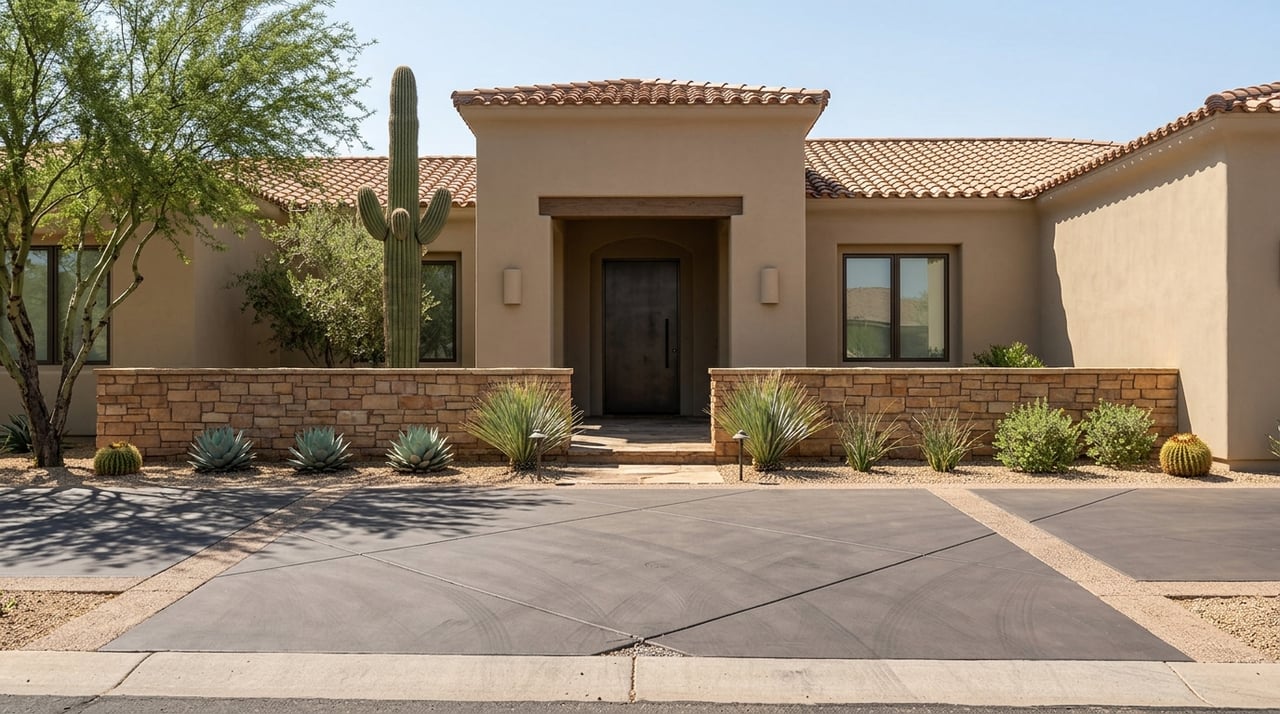
If you are planning a custom build in DC Ranch, the lot you choose and the process you follow can shape your experience just as much as the home itself. This is not a community where you simply buy land and start drawing plans. Between village-specific design standards, Scottsdale’s desert-sensitive building context, and a multi-step review process, thoughtful planning early on can help you avoid delays, protect long-term value, and create a home that feels right for its setting. Let’s dive in.
Start With the Village
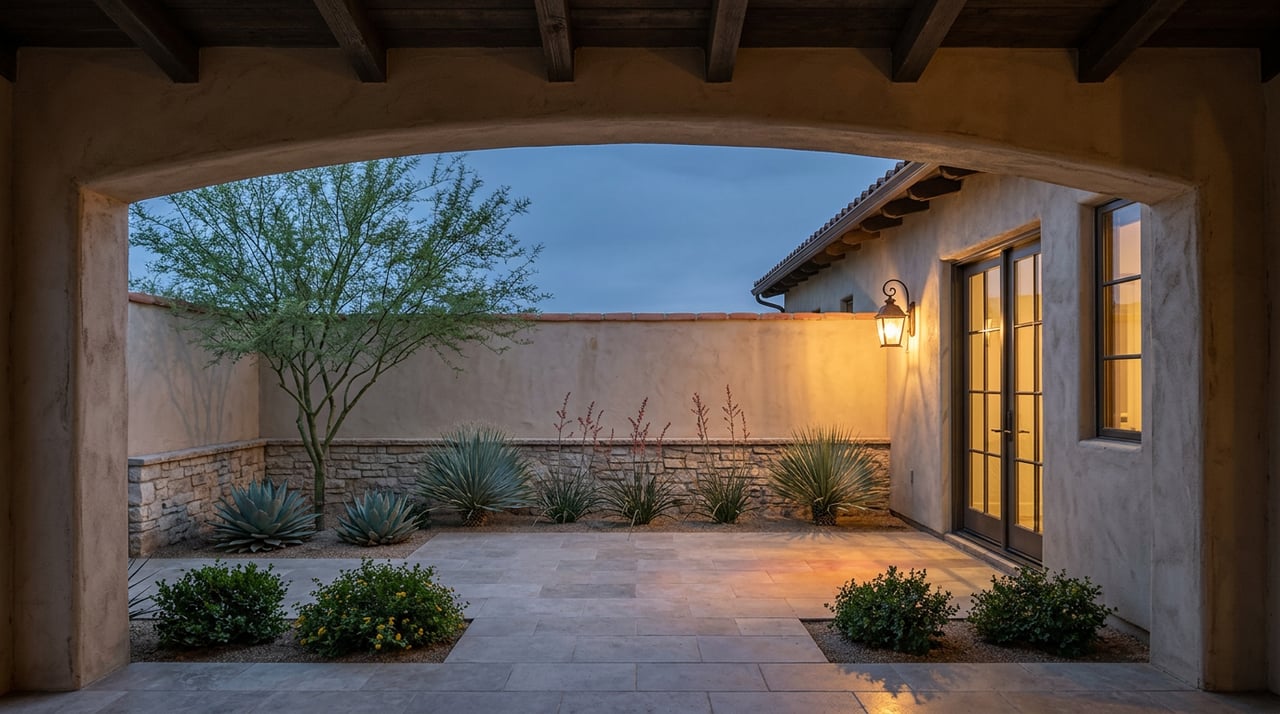
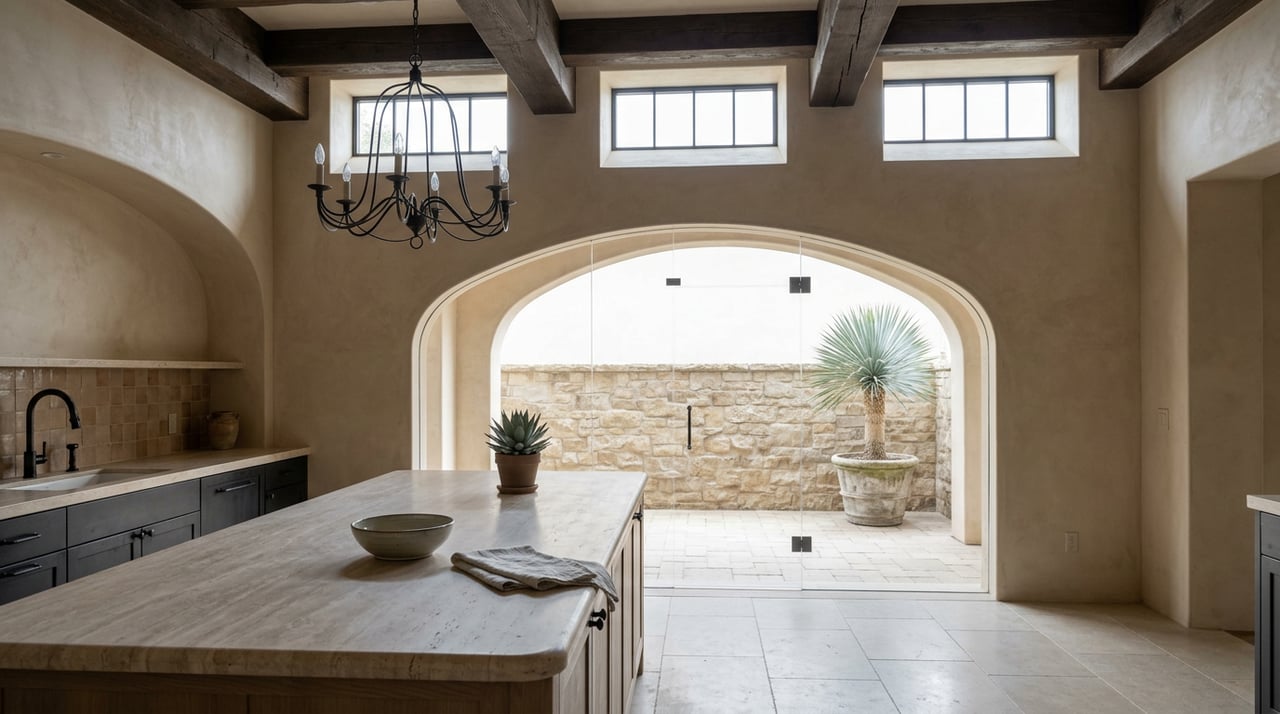
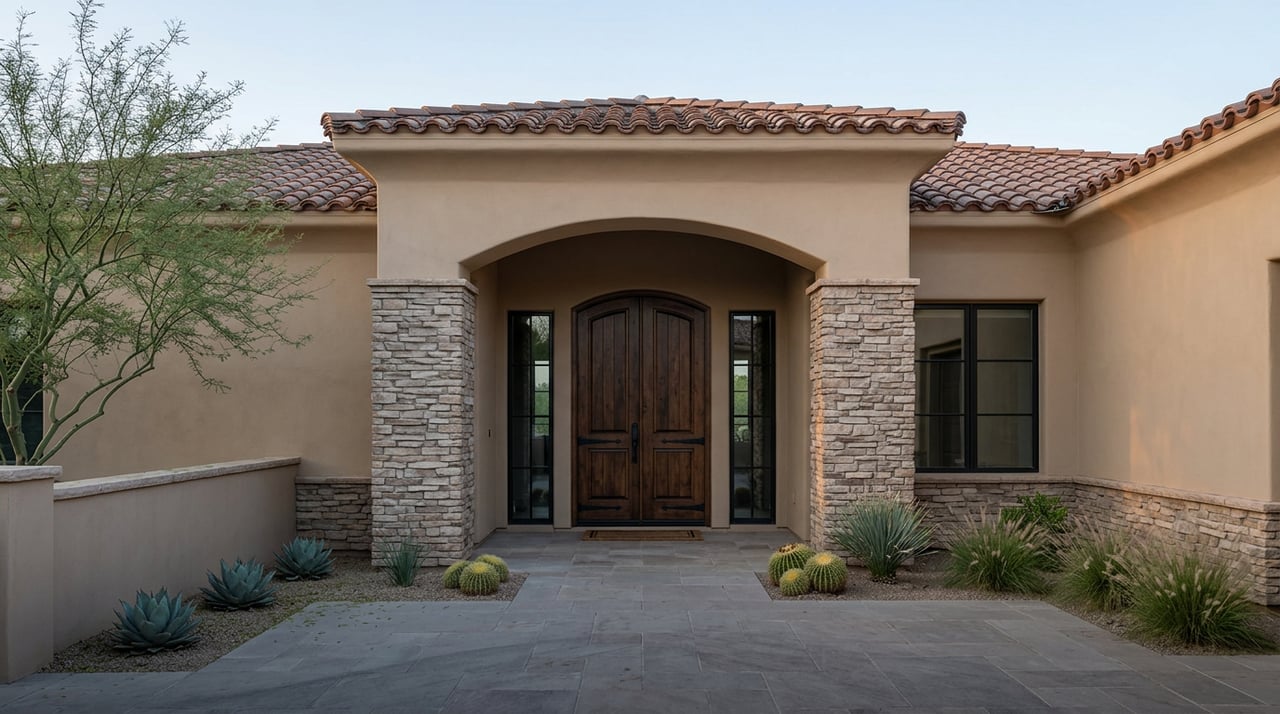
DC Ranch is a four-village master-planned community made up of Country Club, Desert Camp, Desert Parks, and Silverleaf, and each area has its own architectural character and design framework. According to DC Ranch’s village overview, Silverleaf is known for Spanish and Mediterranean Revival estate architecture, while other villages may include styles such as Western Regional Farm House, Ranch House, Pueblo, Prairie, Craftsman Bungalow, and contemporary interpretations.
That means your build strategy should start with the specific village and sub-area, not just the community name. A home concept that fits naturally in one part of DC Ranch may not align with the standards or visual rhythm of another. Matching the lot to your intended design from the beginning can save time and reduce revisions later.
Treat Lot Selection Like Design
In DC Ranch, lot selection is more than a land search. It is one of the first and most important design decisions you will make. Scottsdale’s Sensitive Design Principles emphasize preserving vistas, responding to topography, respecting desert context, and using site orientation intentionally.
This is especially important in Scottsdale’s Sonoran Desert setting. The city notes that it sits at the foot of the McDowell Mountains, sees about 314 sunny days each year, and is actively planning around heat mitigation through tree canopy and shade, particularly on south- and west-facing facades and pedestrian areas.
For you as a buyer, that means a beautiful view lot may still require careful analysis. Sun exposure, slope, privacy walls, neighboring structures, and usable outdoor space can all affect how the home lives day to day. In a desert climate, comfort and design performance often go hand in hand.
What to review on a lot
Before you commit to a homesite, it helps to evaluate:
- Orientation to sun and shade
- Topography and grading needs
- View corridors
- Privacy from neighboring homes and outdoor spaces
- Space for covered patios, courtyards, and landscape features
- Potential constraints tied to village or sub-area guidelines
The earlier these questions are addressed, the more confidently you can move into planning.
Plan for Desert Sun Early
Scottsdale’s design guidance strongly supports features that help buildings perform well in the desert, including shading elements, deep roof overhangs, recessed windows, and water-wise site planning. These recommendations align with broader U.S. Department of Energy guidance on passive solar homes, which notes that warm-climate design often prioritizes cooling avoidance, shading, and high-performance glazing.
In practical terms, this matters when you are thinking about window placement, outdoor living areas, and the overall shape of the home. A lot with strong west exposure may look ideal in photos, but if the design does not account for heat and glare, the home may feel less comfortable during key parts of the day.
This does not mean avoiding view lots or dramatic siting. It means planning intelligently so the architecture works with the climate. In DC Ranch, that kind of foresight can improve daily livability and support long-term appeal.
Align the Home With the Setting
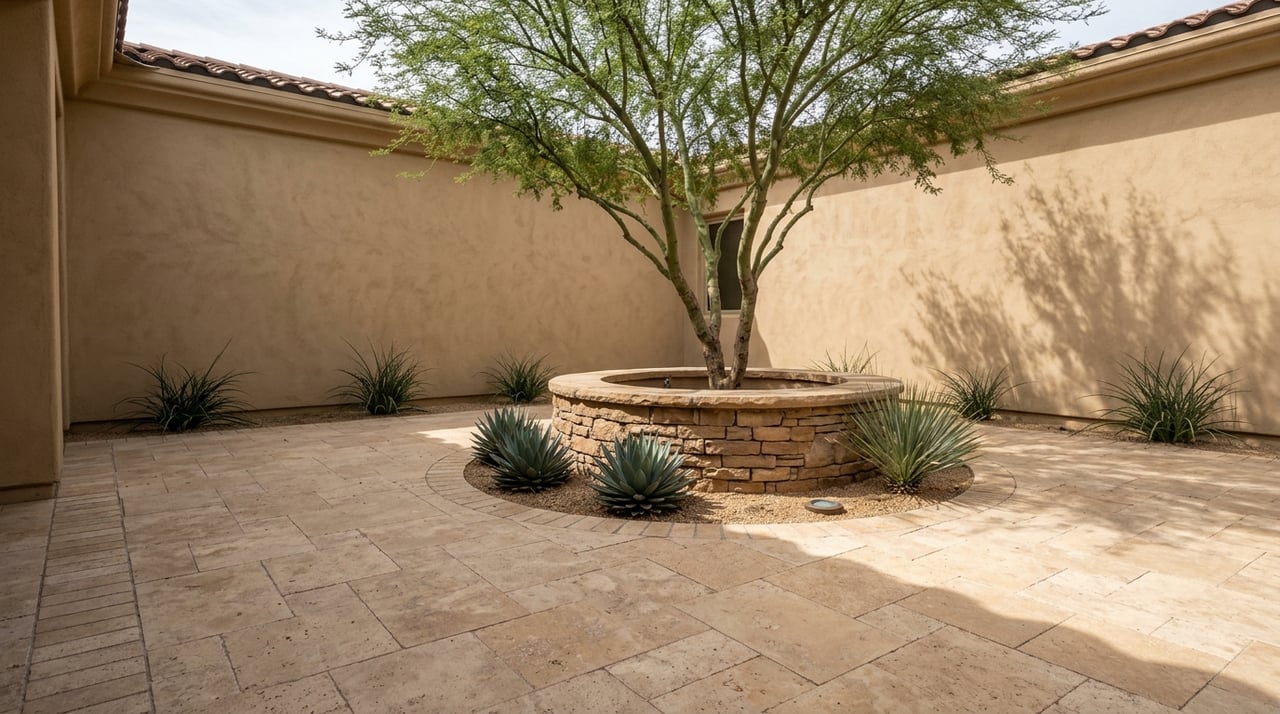
One of DC Ranch’s defining ideas is that homes and landscapes should feel connected to the Sonoran Desert rather than imported from somewhere else. The community’s history and village materials highlight native stone, arid-region planting, and planning that emphasizes both near and distant views within the desert setting.
Scottsdale’s Sensitive Design Program echoes that same philosophy. It encourages regional colors, coarse textures, shade structures, deep overhangs, and landscape design that relies on indigenous and arid-adapted materials.
For a custom build, this usually means the strongest results come from a home that responds to both the village’s architectural standards and the lot itself. Materials, massing, hardscape, and landscape should feel intentional together. In a community like DC Ranch, that cohesion is not just aesthetic. It is part of how the property fits the neighborhood over time.
Know the Review Process
A custom build in DC Ranch involves a formal review path, and understanding it early can make the process much smoother. The builder and construction guidelines outline a three-step submittal process for new homes:
- Massing Review
- Preliminary Review
- Final Review
After those approvals, preconstruction documents are required, followed by a final inspection once the project is complete. DC Ranch also separates procedures and guidelines by specific sub-areas, including Arcadia, Country Club, Horseshoe Canyon, and Upper Canyon.
That local specificity matters. A team familiar with the relevant sub-area may be better prepared to anticipate requirements before they become costly changes.
Why early site analysis matters
In the Arcadia at Silverleaf procedures, early meetings focus on lot opportunities and constraints, site-specific restrictions, siting and grading, style compatibility, massing, hardscape, and landscape concepts before final submission. That gives you a good sense of what the review culture values.
The message is clear: decisions that seem minor at the beginning can affect approvals later. If you approach the process in the right sequence, you can reduce friction and make better design choices with more confidence.
Build the Right Team
Because DC Ranch has village-specific standards and a layered approval system, your build team should be chosen with process knowledge in mind. The community’s recorded Covenant states that design professionals and builders must complete the community orientation process, and applicants must obtain a Certificate of Covenant Compliance before applying for City of Scottsdale building permits.
The same document also notes that technical compliance alone does not guarantee approval. Variances may be granted when design intent is met or when topography, natural obstructions, hardship, or aesthetic or environmental considerations justify them.
For you, that means experience matters. The right team is not just talented on paper. They understand how design intent, site conditions, and review expectations intersect within DC Ranch.
Do Not Overlook Exterior Approvals
Even after a home is completed, DC Ranch maintains review standards for exterior and landscape changes. According to the community’s home and landscape changes page, all exterior home and landscape modifications, including backyard changes, must be reviewed and approved.
The 2025 modification fee sheet includes categories such as:
- Patios
- Pergolas
- Pools and spas
- Roofs
- Solar panels
- Retaining walls
- Window and door changes
This is worth knowing if you plan to phase parts of the project over time. It is often more efficient to think ahead about outdoor living, hardscape, and future improvements during the original design phase instead of treating them as unrelated later upgrades.
Think About Resale From Day One
Even if this is your long-term home, resale planning still matters. DC Ranch’s resale information page notes that sellers use a Home Resale Form to alert Security, the disclosure fee is $400, the residential CC&R compliance inspection fee is $100, and the community transfer fee is one-half of 1% of the gross sales price.
That may sound like something to worry about years from now, but it has a practical takeaway today. A well-planned custom build should consider future compliance and documentation from the beginning. Choices that align with community standards can make ownership simpler and help preserve marketability later.
A Smarter Way to Approach a DC Ranch Build
The most successful custom builds in DC Ranch usually start with the right questions, not just the right finishes. Which village best supports your design goals? How does the lot handle sun, slope, and views? What standards apply in that sub-area? How will the home sit within the desert landscape and the broader review process?
If you are buying with the goal of building, local guidance can be especially valuable before you commit to a lot. With a process this detailed, informed planning can protect both your timeline and your long-term investment. If you are considering a custom build or evaluating homesites in DC Ranch, connecting with Racquel Miller can help you approach the search with a sharper lens and a more strategic plan.
FAQs
What makes planning a custom build in DC Ranch different from buying a standard lot?
- DC Ranch has village-specific architectural standards, a formal review process, and site-sensitive design expectations, so lot selection and planning are closely connected.
What should you look for when choosing a lot for a custom build in DC Ranch?
- You should review sun exposure, topography, privacy, view corridors, grading considerations, and how the lot fits your intended home design and village guidelines.
What design styles are found across DC Ranch villages?
- Public DC Ranch materials show styles such as Spanish Eclectic, Western Regional Ranch, Ranch House, Farm House, Pueblo, Prairie, Craftsman Bungalow, contemporary interpretations, and in Silverleaf, Spanish and Mediterranean Revival estate architecture.
What approvals are required for a new custom home in DC Ranch?
- The published process includes Massing Review, Preliminary Review, Final Review, preconstruction documents, and a final inspection after construction is complete.
Why does lot orientation matter for a custom build in Scottsdale?
- Scottsdale’s desert climate and heat-planning priorities make shade, facade exposure, window placement, and outdoor comfort important factors during site planning and design.
Do exterior changes after construction still need approval in DC Ranch?
- Yes. DC Ranch states that exterior home and landscape modifications, including backyard changes, must be reviewed and approved.
How does resale planning affect a custom build in DC Ranch?
- Resale in DC Ranch includes compliance-related steps and fees, so building with community standards and future documentation in mind can support smoother ownership and resale later.