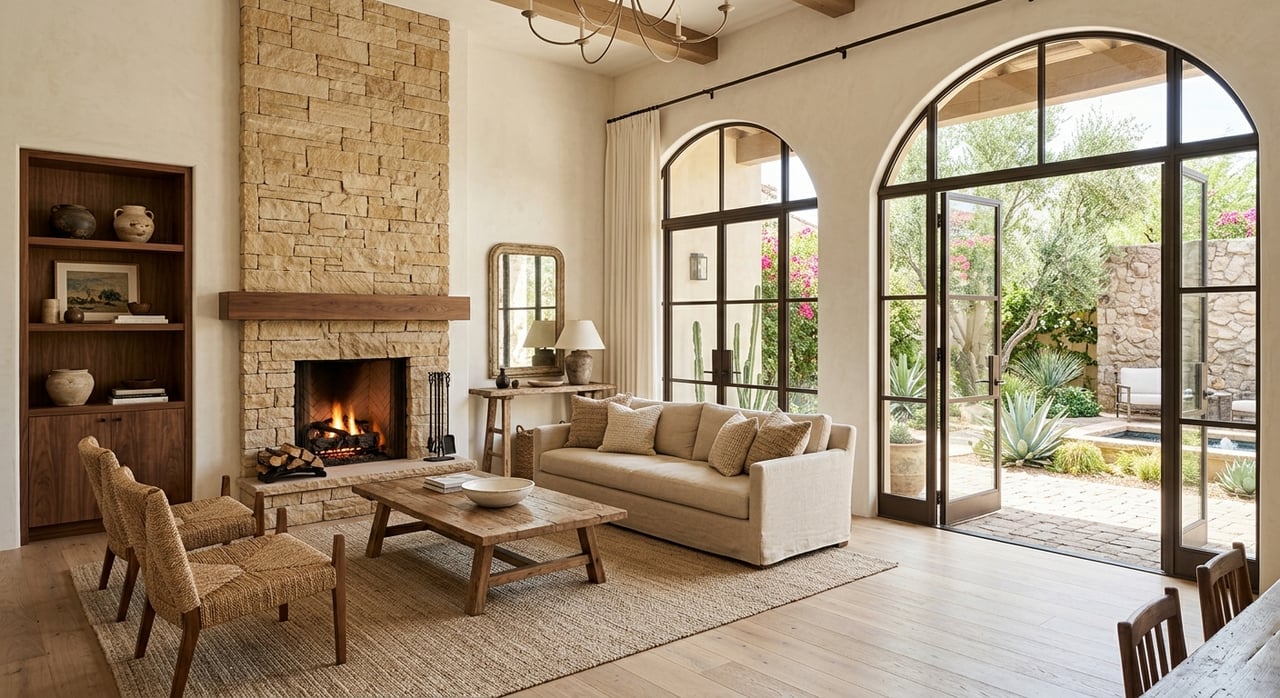
If you are preparing to sell a luxury home in Arcadia, you already know this is not a one-size-fits-all process. Arcadia has a distinct identity, a premium price point, and a market pace that can differ from Phoenix overall. When you understand what buyers value here and how to prepare before you list, you can move forward with more confidence. Let’s dive in.
Why Arcadia luxury stands apart
Arcadia offers a mix of features that shape how luxury homes are bought and sold. City planning materials describe the area as mature and worth preserving for its setting, landscape, character, and quality of homes. Historic records also trace the neighborhood to estate-lot and citrus-grove patterns, with early lots often ranging from five to ten acres.
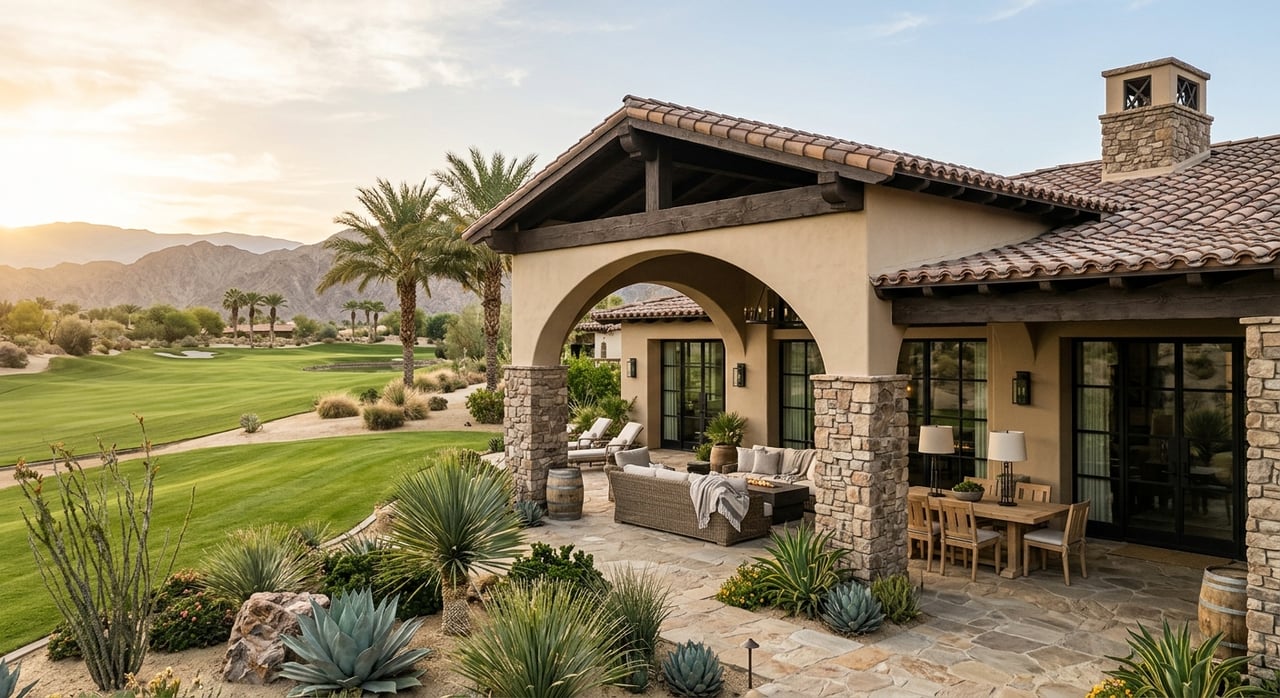
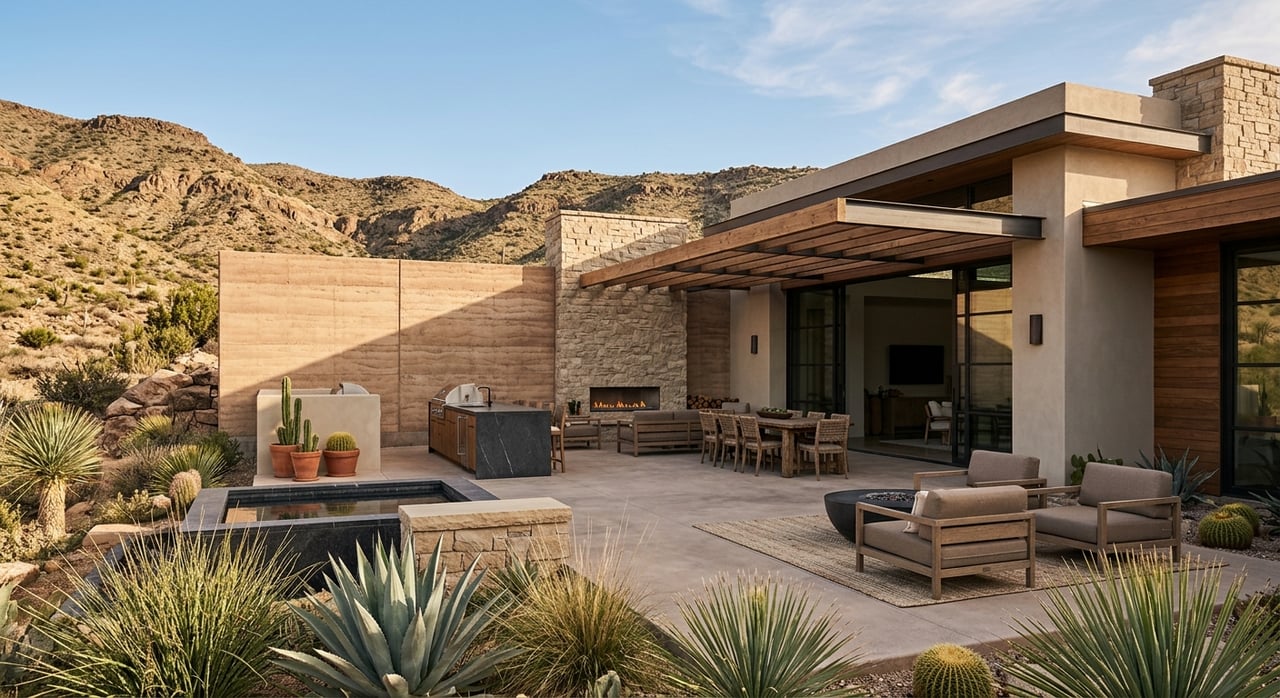
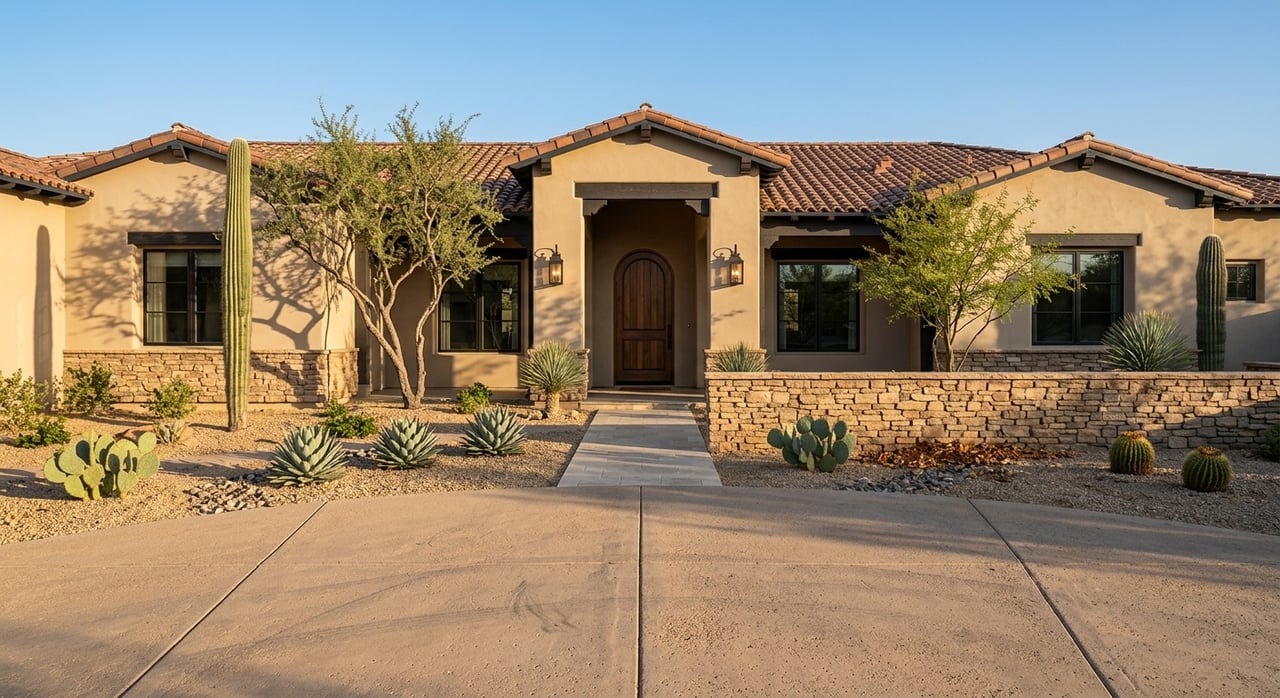
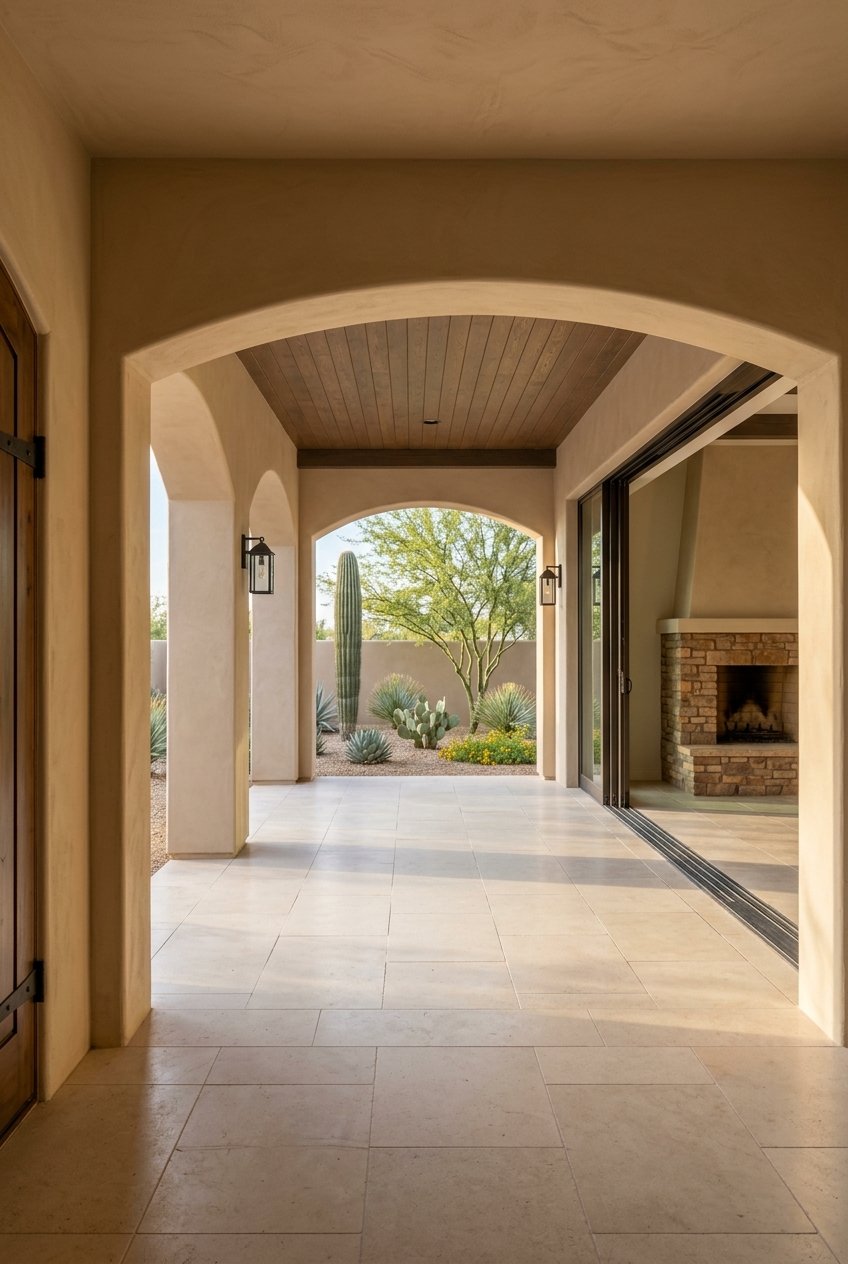
That history still matters today. Buyers are often drawn to large lots, mature landscaping, architectural character, and indoor-outdoor living. Arcadia also benefits from its proximity to Camelback Mountain, resort amenities in Camelback East, and cultural destinations like the Shemer Art Center.
Step 1: Start with Arcadia-specific pricing
Luxury pricing in Arcadia should begin with local evidence, not broad Phoenix headlines. As of April 2026, Arcadia had 112 homes for sale, a median listing price of $1,999,500, a median sold price of $1,160,000, a median 62 days on market, and a 96% sale-to-list ratio. Realtor.com classifies Arcadia as a balanced market.
That matters because Phoenix overall is moving differently. Phoenix is described as a seller’s market, with a 53-day median on market and a 99% sale-to-list ratio. If you price your Arcadia property based on metro-wide momentum instead of neighborhood-specific comps, you risk missing the market.
In practical terms, a strong pricing strategy should weigh:
- Lot size and site layout
- Architectural style and authenticity
- Quality of updates and remodels
- Mature landscaping and outdoor livability
- Views and proximity to Arcadia landmarks and amenities
For a luxury seller, the goal is not simply to “test the market.” It is to position your home credibly from day one, with pricing that reflects how Arcadia buyers compare value.
Step 2: Verify permits and property records
Before your home goes live, confirm the paper trail for any significant work. The City of Phoenix states that residential permits are required for remodels and additions, and that pools and spas also require permits. The city also notes that permitted residential jobs require inspections and provides public tools for checking permit and occupancy history.
This step is especially important in a neighborhood where many homes have been expanded, renovated, or reimagined over time. If your property includes updates to the main house, guest spaces, walls or fences, or outdoor amenities, it helps to have that documentation organized early. Clean records can reduce friction once buyers begin reviewing disclosures and inspections.
Step 3: Prepare disclosures carefully
Arizona sellers are legally required to disclose all material facts about the property. The Seller’s Property Disclosure Statement, often called the SPDS, is a key part of that process. Arizona guidance for buyers also makes clear that buyers are expected to review the seller’s disclosure report and purchase contract carefully.
For you as a seller, that means disclosure should be treated as a core part of your launch plan, not as a last-minute form. A well-prepared disclosure package can help create trust and support smoother negotiations later.
Depending on the property, your disclosure file may include:
- SPDS information
- Permit history
- Records of repairs, upgrades, and inspections
- HOA or planned community resale documents, if applicable
- Lead-based paint disclosure materials for pre-1978 homes
- Septic inspection and transfer documents, if applicable
Step 4: Check for lead-based paint rules
Because much of Camelback East housing stock was built between 1950 and 1970, some Arcadia homes fall under pre-1978 federal lead-based paint requirements. If your home was built before 1978, federal law requires sellers to disclose known lead-based paint information and provide buyers with an EPA-approved lead hazard pamphlet.
This does not mean every older home has a problem. It does mean you need to complete the required disclosure steps if your home qualifies. Handling this early helps avoid delays once you are under contract.
Step 5: Address septic transfer requirements if needed
If your property uses a septic system, Arizona has a specific resale process for onsite wastewater systems. The Arizona Department of Environmental Quality says the seller must retain a qualified inspector within six months before transfer and provide the buyer with the inspection report and related system documents. After closing, the buyer must file a Notice of Transfer within 15 calendar days.
Not every Arcadia property will have a septic system, but if yours does, this is a major item to schedule early. In a luxury transaction, buyers typically expect thorough documentation, and septic compliance is part of that preparation.
Step 6: Gather HOA resale documents
If your home is in a planned community, Arizona law requires the association to provide resale documents. These may include the bylaws, declaration, budget, financial report, reserve study if one exists, and litigation information. State law also allows the association to charge fees for the package, subject to stated limits.
This is another reason to begin pre-listing work well before photography or showings. Waiting until escrow to collect community documents can create preventable delays. Having them ready supports a cleaner contract-to-close timeline.
Step 7: Build a presentation-first marketing plan
Luxury buyers often encounter a home online before they ever step inside. According to NAR’s 2024 Profile of Home Buyers and Sellers, 43% of buyers said their first step was searching the internet, and 81% rated listing photos as the most useful online feature. Buyers also spent a median of 10 weeks searching, and two of the seven homes they typically viewed were viewed online only.
That behavior has direct implications for an Arcadia listing. Your marketing should present the property in a way that captures not just square footage, but also setting, architecture, and lifestyle. In a neighborhood known for landscape, lot quality, and distinctive homes, visual presentation carries real weight.
Key marketing assets often include:
- Professional photography
- Floor plans
- Video content
- Strong online visibility and distribution
- Property messaging that highlights land, design, and livability
For many sellers, this is where boutique guidance and broader marketing reach make a meaningful difference. A luxury home benefits from careful positioning, polished presentation, and measurable exposure rather than generic listing promotion.
Step 8: Tell the right Arcadia story
The strongest luxury marketing in Arcadia is specific. Rather than relying on broad luxury language, it should explain what makes your home and its setting valuable in this neighborhood. The research points to several recurring value drivers: estate-lot origins, architectural variety, mature landscape, authenticity of design, and access to Camelback Mountain and nearby resort amenities.
That means your listing story should focus on the features buyers are actually comparing. If the home has preserved character, quality renovations, meaningful outdoor living, or a particularly strong relationship to the lot, those details deserve center stage. In Arcadia, context matters almost as much as finish level.
Step 9: Expect a thoughtful negotiation cycle
Arcadia’s market data suggests a more measured pace than some other segments of Phoenix. With a median 62 days on market and a 96% sale-to-list ratio, sellers should be prepared for negotiation that may include repair requests, concessions, and detailed document review. In other words, this stage is about more than headline price.
Luxury buyers often look closely at condition, records, and risk. If your permits, disclosures, HOA materials, repair invoices, and any required lead or septic documents are already organized, you are in a much better position to respond quickly and credibly. Preparation can protect both leverage and momentum.
Step 10: Plan for the timeline realistically
One of the most common questions sellers ask is how long the sale might take. Based on the April 2026 market snapshot, Arcadia’s median days on market is 62. That is longer than Phoenix overall, where the median is 53 days.
For you, the takeaway is simple. A luxury sale in Arcadia may move deliberately, especially when pricing, presentation, and due diligence are being weighed carefully. A realistic timeline can help you make better decisions around staging, move planning, travel, and your next purchase.
What sellers should do before listing
If you want a practical pre-list roadmap, focus on these steps first:
- Review Arcadia-specific comparable sales and active competition.
- Confirm permit history for remodels, additions, pools, spas, walls, and similar work.
- Complete your SPDS thoughtfully and accurately.
- Gather repair records, upgrade documentation, and inspection materials.
- Check whether lead-based paint disclosures apply.
- Schedule septic inspection requirements if the home uses a septic system.
- Order HOA or planned community resale documents, if needed.
- Prepare professional marketing assets that showcase architecture, lot quality, and lifestyle.
- Launch with pricing and presentation aligned to Arcadia, not the broader Phoenix market.
A smart Arcadia sale starts before the listing goes live
Selling a luxury home in Arcadia is part market strategy, part documentation, and part presentation. The homes that stand out are not only beautifully marketed, but also well prepared for buyer scrutiny. When you combine Arcadia-specific pricing, organized disclosures, and a polished launch, you put yourself in a stronger position from the very beginning.
If you are thinking about selling in Arcadia and want a thoughtful, data-informed plan tailored to your property, Racquel Miller offers boutique guidance, elevated marketing, and personalized representation designed for luxury homeowners.
FAQs
What makes Arcadia different from other Phoenix luxury areas?
- Arcadia stands out for its estate-lot origins, mature landscaping, variety of architectural styles, preserved neighborhood character, and proximity to Camelback Mountain and resort amenities.
How long does it take to sell a luxury home in Arcadia?
- As of April 2026, Arcadia had a median 62 days on market, which suggests a more deliberate sale cycle than Phoenix overall.
What documents matter when selling a home in Arcadia?
- Common key documents include the SPDS, permit history, repair and upgrade records, HOA resale documents if applicable, lead-based paint disclosures for pre-1978 homes, and septic transfer documents if the property uses a septic system.
What marketing assets matter most for an Arcadia luxury listing?
- Professional photos, floor plans, video, strong online visibility, and clear messaging around lot size, architecture, landscape, and indoor-outdoor living are especially important.
Why should Arcadia pricing differ from Phoenix pricing?
- Arcadia is currently classified as a balanced market, with a 96% sale-to-list ratio and a 62-day median on market, so pricing should reflect local comps and neighborhood-specific value drivers rather than broader Phoenix averages.