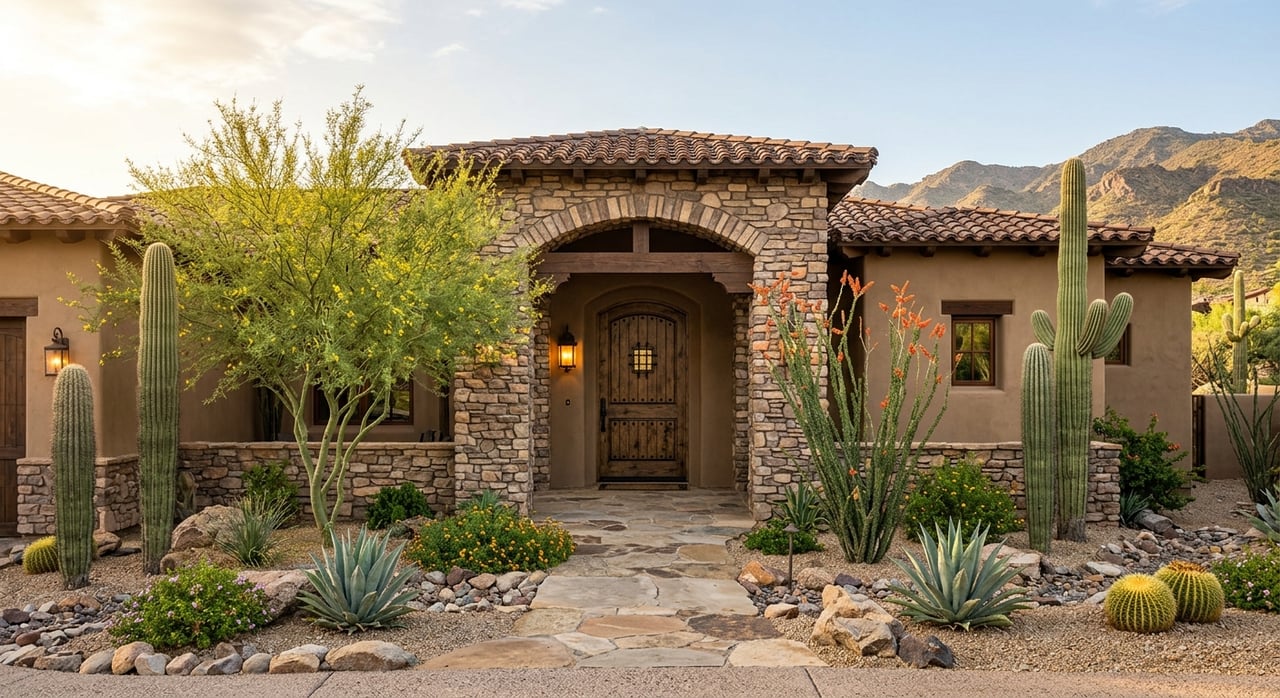
Thinking about a move to Phoenix and wondering where luxury living really begins? The answer is not as simple as picking a city on the map. In this market, your best move is to start with lifestyle, then narrow to the neighborhood that matches how you want to live day to day. This guide will help you compare Phoenix-area luxury enclaves, understand what sets them apart, and build a smarter short list before you ever book a flight. Let’s dive in.
Why Luxury Searches Should Start by Neighborhood
If you are relocating to the Phoenix area, broad metro labels can be misleading. Phoenix proper had a median listing price of about $485,000 in spring 2026, while Scottsdale was about $1.06 million, Arcadia about $2.0 million, Biltmore about $1.12 million, and Paradise Valley about $4.99 million. That pricing spread shows just how different these luxury pockets are, even within the same metro.
The physical layout of each area also matters. Scottsdale stretches 31 miles from north to south and averages 314 sunny days each year, while Paradise Valley is much smaller at 15.4 square miles and is intentionally low density with predominantly single-family zoning. In practical terms, that means your search should focus less on the city name and more on the setting, pace, and property style you want.
Old Town Scottsdale for Urban Energy
If you want a luxury home base with walkable activity, Old Town Scottsdale stands out. The city identifies Old Town as downtown Scottsdale’s primary cultural, civic, retail, and governmental center. It is also organized into distinct districts, including the Civic Center, Scottsdale Fashion Square, Arizona Canal, Arts District, Fifth Avenue, Entertainment District, and Brown & Stetson.
Old Town offers a very specific lifestyle. According to the city, the area includes more than 90 restaurants, 320 retail shops, and more than 80 art galleries. If your ideal relocation includes dining out, browsing galleries, and staying close to a lively mixed-use environment, this is one of the strongest fits in the metro.
That said, convenience comes with tradeoffs. A denser entertainment environment can create a different rhythm than a quiet residential enclave, especially when you compare daytime and evening activity. For many luxury buyers, that is exactly the appeal. For others, it is a signal to look elsewhere.
Biltmore for Central Convenience
If you want to stay close to the center of things without choosing a full downtown feel, Biltmore is often the better fit. Phoenix describes the Arizona Biltmore as a Valley landmark since 1929, set at the foot of Piestewa Peak, with 39 acres of gardens, pools, and Frank Lloyd Wright-influenced architecture. The surrounding area has long carried that resort-adjacent identity.
The broader Biltmore area includes residential enclaves such as Biltmore Gates, Biltmore Estates, Fairway Lodge, Two Biltmore Estates, Squaw Peak Vistas, and Taliverde. For relocation buyers, that mix can be appealing because it offers a more established central location with a polished, resort-connected feel. It often works well if you want easy access to premium amenities while remaining in a more residential setting than Old Town.
From a market perspective, Biltmore also behaves differently than some neighboring luxury areas. Current market reporting describes it as a seller’s market, which can affect timing, competition, and negotiation strategy. If Biltmore is on your list, it helps to go in with a clear understanding of how fast the segment is moving.
North Scottsdale for Golf and Desert Access
For buyers drawn to club living, golf, and outdoor recreation, Scottsdale offers multiple versions of that lifestyle. One important anchor is the Indian Bend Wash greenbelt, which runs 11 miles through the city and includes parks, lakes, paths, and golf courses. It reinforces Scottsdale’s long-established active resort identity.
The Scottsdale Road resort corridor adds another layer. City planning documents describe it as a concentration of world-class resorts, hotels, and spas, with a longstanding resort and golf destination character. If you are looking for a luxury home near club and hospitality amenities, this corridor deserves attention.
North Scottsdale adds yet another dimension. The McDowell Sonoran Preserve is the largest urban wilderness area in the United States and offers more than 60 miles of trails through Sonoran Desert terrain. That makes North Scottsdale especially compelling if your luxury wish list includes golf and club access, but you also want stronger connection to open desert, hiking, and a more expansive feel.
Paradise Valley for Privacy and Estate Living
If privacy is at the top of your list, Paradise Valley is often the clearest answer. The town says it is predominantly zoned for single-family housing and includes 9 resorts and 3 golf courses. It has also historically emphasized a quiet, country-like setting, one-acre minimums, and minimal government intervention.
Those land-use patterns matter because they shape how the town feels. Paradise Valley is designed to remain low density, which is a major reason it reads as a distinct luxury market within the metro. Buyers looking for estate-style living, larger lots, and stronger separation from denser activity often start here.
It is also important to understand the practical side of that setting. The town points residents to rules related to noise, signs, and home occupations, which tells you that exterior use and neighborhood character are part of the ownership experience. When you are buying remotely, these details should be part of your due diligence, not an afterthought.
Arcadia for Central Living and Camelback Access
Arcadia is best understood as a mature central neighborhood with a strong outdoor component. It is not the same as a secluded estate district, and that distinction matters for relocation buyers. The area has a highly localized feel and is often favored by people who want established surroundings with convenient access to some of the metro’s most recognizable natural features.
One of Arcadia’s biggest draws is proximity to Camelback Mountain. Trailheads at Invergordon Road and Echo Canyon make the area especially relevant for buyers who want quick access to signature hiking. At the same time, those trailheads have limited parking, and the main routes are extremely difficult, which is worth knowing if trail access is part of your daily lifestyle rather than simply a scenic bonus.
Arcadia’s current market data also supports its high-end positioning. The neighborhood is around a $2.0 million median listing price, with 112 homes for sale and a 96 percent sale-to-list ratio. That combination points to a premium, tightly defined market where neighborhood-level guidance matters.
How to Build a Remote Short List
If you are relocating from out of state, your first round of decision-making can happen before you arrive. Virtual tours and virtual showings are now a legitimate part of the buying process, and electronic signature systems allow buyers, sellers, lenders, and title agents to review and approve documents remotely. For luxury buyers, that makes it possible to narrow the field efficiently before an in-person visit.
Still, a polished interior video is only part of the story. Your remote review package should also include street views, driveway approach, day-and-night video, pool exposure, view angles, and timing to nearby amenities. In a market where Old Town, Biltmore, Arcadia, and Paradise Valley all offer very different daily experiences, those outside-the-home details can be just as important as the finishes inside.
A thoughtful remote short list should help you answer questions like these:
- How private is the approach to the home?
- What does the street feel like during the day and at night?
- Is there visible traffic tied to resorts, trailheads, or entertainment areas?
- How does the home sit on the lot in relation to neighbors?
- Are mountain views, outdoor spaces, and sunlight exposure as strong in person as they appear online?
What Market Conditions Mean for Your Search
Luxury buyers often focus first on architecture, setting, and amenities. Those matter, but market behavior matters too. When you compare neighborhoods, list price alone does not tell the full story.
The more useful signals include listing pace, active inventory, and sale-to-list behavior. Arcadia is currently considered balanced, Biltmore is described as a seller’s market, and Paradise Valley remains a much higher-priced and slower-moving market with a median listing price near $5.0 million. Those conditions can shape everything from your offer strategy to how much room you may have for negotiation.
This is one reason neighborhood-first guidance is so valuable during a relocation. Two homes may both look like strong contenders online, yet the submarkets behind them can call for very different expectations. A smart search process accounts for both the home and the market context around it.
Due Diligence That Matters in Phoenix
In the Phoenix area, neighborhood research goes beyond a map pin. Scottsdale offers HOA classes and Good Neighbor classes through its Neighborhood College, and both Scottsdale and Phoenix maintain neighborhood-program resources with boundary maps, contacts, and neighborhood references. For a relocation buyer, that is a reminder that boundaries, community structure, and neighborhood rules all deserve close attention.
This becomes especially important because one place name may not always mean one exact footprint. Official neighborhood associations, city planning areas, planned development boundaries, and market-data platforms do not always line up perfectly. Old Town, for example, has formal city boundaries, while Arcadia and Biltmore can be defined differently across sources.
Before you move forward on a luxury home, make sure you are checking the details that are easy to miss remotely:
- Exact neighborhood footprint
- HOA or architectural restrictions
- Privacy buffers and lot orientation
- View corridors
- Parking pressure nearby
- Noise patterns tied to trailheads, resorts, or activity centers
The Best Phoenix Luxury Fit Starts With Lifestyle
Relocating to Phoenix can open the door to several very different luxury lifestyles within one metro. Old Town Scottsdale fits buyers who want urban energy and walkable convenience. Biltmore offers central access with a resort-connected feel, while North Scottsdale leans into golf, desert trails, and open space.
Paradise Valley is the standout for privacy and estate living, and Arcadia appeals to buyers who want mature central surroundings with Camelback access. The common thread is simple: the right neighborhood comes first, and the right house comes second.
If you want a concierge-level approach to relocating in Scottsdale, Paradise Valley, or premium North Phoenix enclaves, Racquel Miller offers the neighborhood insight, discretion, and personalized guidance that help luxury buyers make confident decisions.
FAQs
What is the best Phoenix-area neighborhood for a luxury buyer who wants walkability?
- Old Town Scottsdale is typically the strongest fit for buyers who want a walkable, mixed-use setting with restaurants, retail, arts, and civic activity nearby.
What is the best Phoenix-area neighborhood for privacy-focused luxury buyers?
- Paradise Valley is often the leading choice for buyers who prioritize privacy, lower-density estate living, and predominantly single-family surroundings.
What is the difference between Biltmore and Old Town Scottsdale for luxury buyers?
- Biltmore generally offers central convenience with a more residential, resort-adjacent feel, while Old Town Scottsdale offers a denser, more walkable environment with stronger urban energy.
What should out-of-state buyers review during a remote luxury home search in Phoenix?
- In addition to interior tours, review street scenes, driveway access, day-and-night video, views, pool exposure, nearby activity patterns, and travel time to the amenities you plan to use most.
Why does neighborhood data matter so much in a Phoenix luxury relocation?
- Phoenix-area luxury markets vary widely in price, pace, density, and lifestyle, so neighborhood-level market conditions and land-use patterns often have a direct impact on fit, negotiation, and long-term satisfaction.