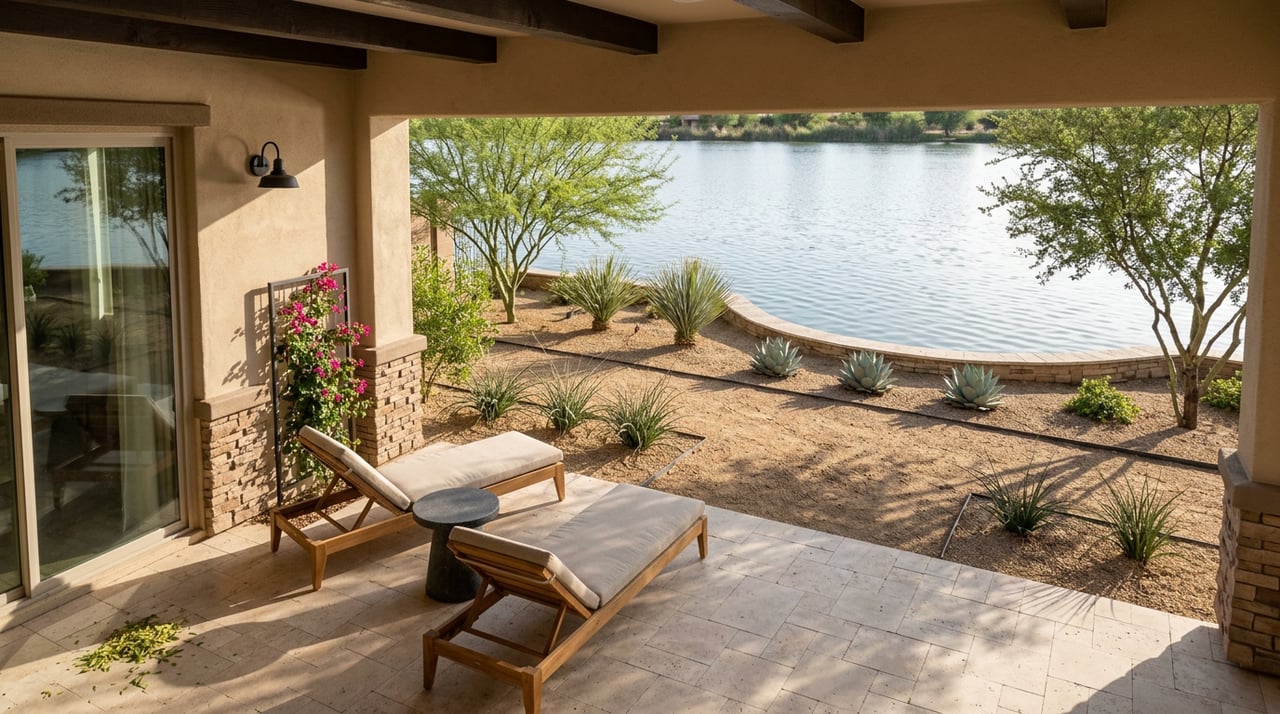
You picture coffee on the patio, smooth water at sunrise, and a path that leads you from your yard to the greenbelt. Waterfront living in McCormick Ranch can deliver that calm, but it also comes with specific rules, maintenance programs, and due diligence you should not skip. In this guide, you’ll learn what “waterfront” really means here, how the HOA structure works, which documents to request, and the red flags that help you negotiate with confidence. Let’s dive in.
What waterfront means here
McCormick Ranch is a master‑planned community in Scottsdale with lakes, greenbelts, and golf woven into its design. The master association highlights community commons, paths, and water features as signature amenities. To understand how that affects daily life, start with the master association’s role and community scope as described by the McCormick Ranch Property Owners’ Association.
Locally, people use “waterfront” in three common ways:
- Lakefront/shoreline lots. Backing directly to a lake edge.
- Greenbelt lots by the water. A landscaped buffer or path sits between your yard and the shoreline.
- View lots. You see water across a greenbelt or fairway, but the shoreline is not part of your lot or immediate buffer.
Brokerage descriptions often label these conditions as “lakefront,” “lake view,” or “greenbelt view.” For a quick primer on how listings use the term, review this overview of what waterfront living means in McCormick Ranch.
You will see different lake counts in third‑party writeups. Some sources list seven lakes, others list ten. Treat the exact number as variable when you read marketing pieces and verify any count or lake names with the master association or recorded maps.
Lifestyle and outdoor living
A big draw is the greenbelt and path network around the lakes. Many lakes are managed for beauty and stormwater, and a subset allow recreation under association rules. Several lakes are stocked and designated for fishing with catch‑and‑release policies, and some larger lakes allow non‑motorized boating or sailing with a permit. If you plan to fish or launch, ask for the current lake‑use guidance and fishing permit details from MRPOA. Rules are lake‑specific, so confirm what applies to the water nearest your home.
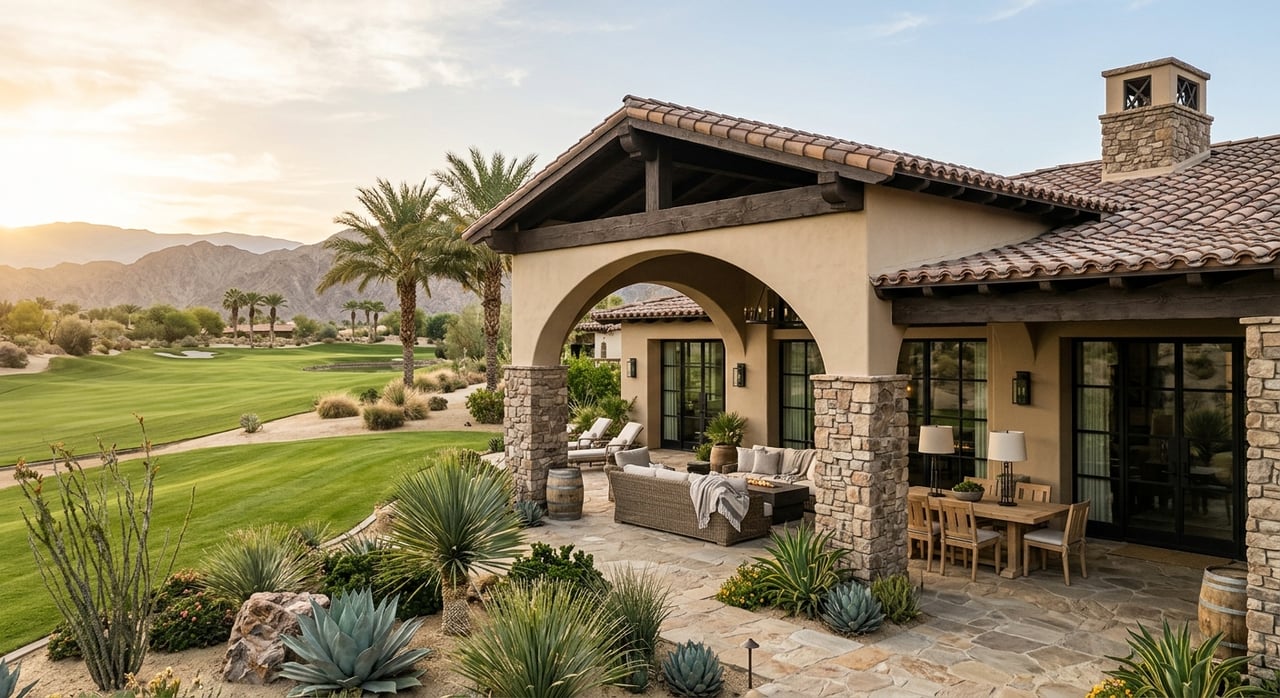
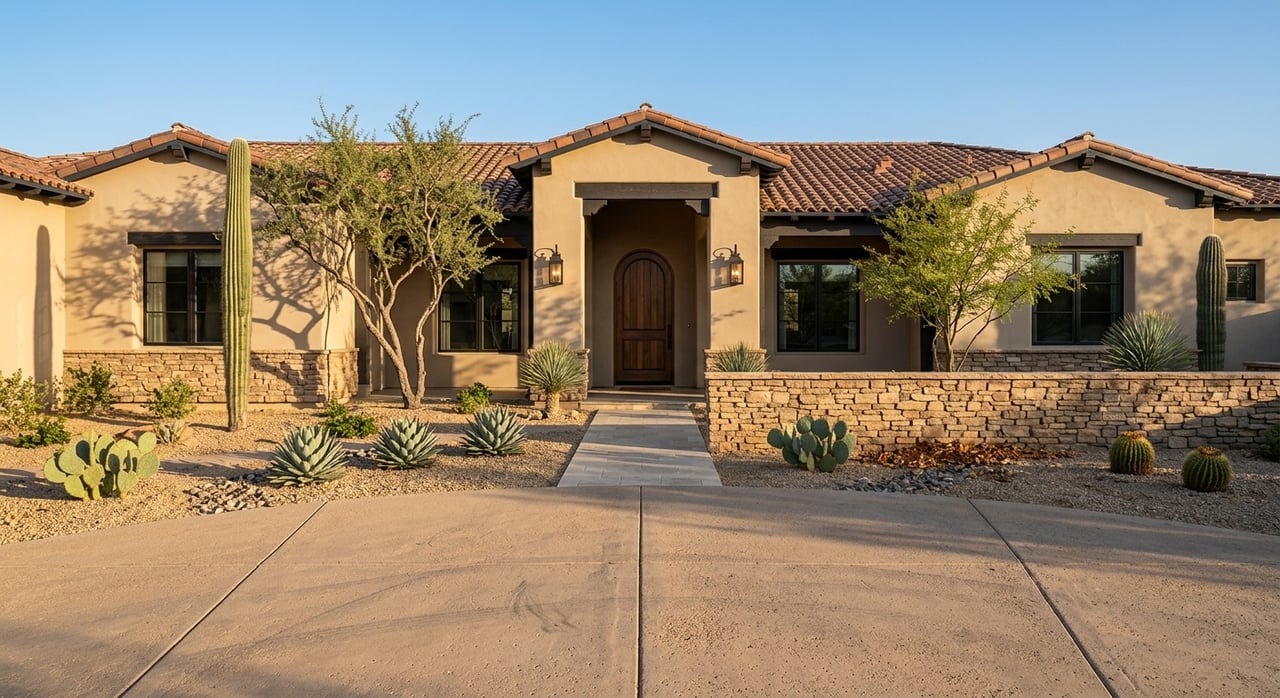
Homes near the water reflect the Ranch’s era and evolution. You will find Spanish and Mediterranean‑influenced single‑family homes, ranch and patio‑style houses, and many contemporary remodels. This mix spans from the 1970s forward, with modern interiors layered on established shells in many cases. For a snapshot of the architectural blend, review a local profile of McCormick Ranch housing styles.
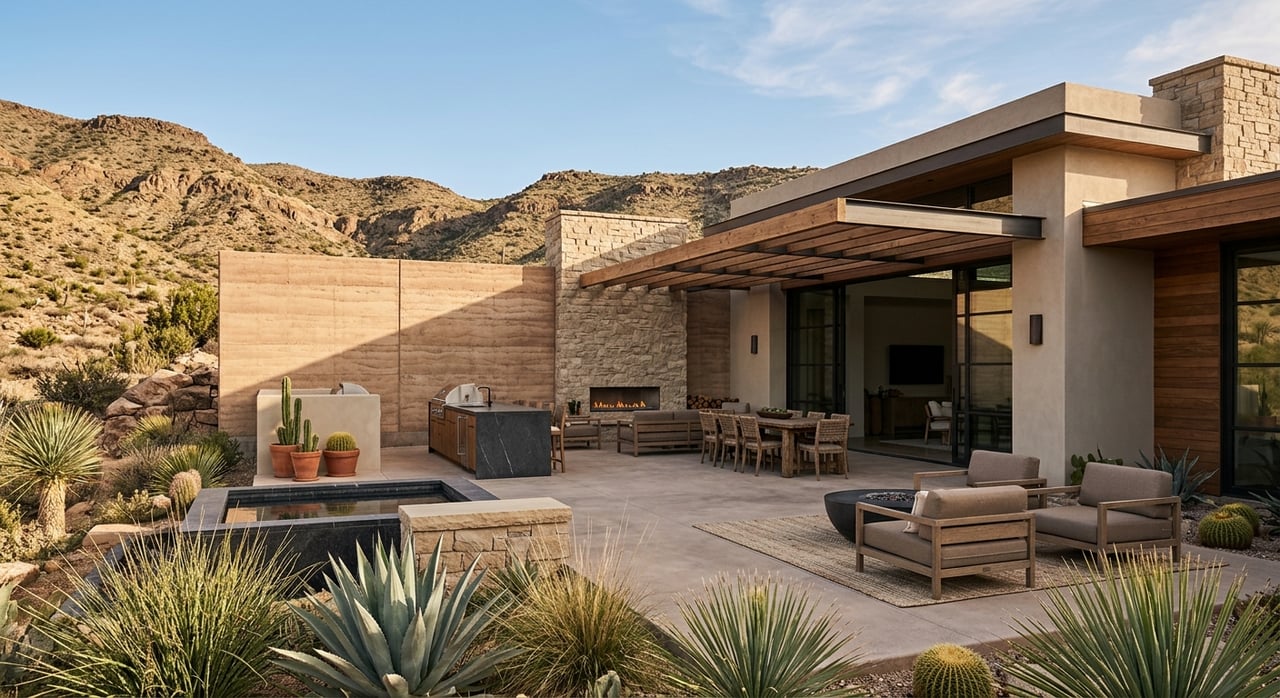
Outdoor living is the star. Expect covered patios and loggias that orient to the water, upper balconies on two‑story homes, and pools or plunge pools on private lots. Where shoreline is common area, you will often see a landscaped buffer or low wall at the yard’s edge. True shoreline ownership is limited to specific pockets, and private docks are rare. Subdivisions like the “Island” area are locally known for homes that hug larger lakes and may carry limited, transferable dock or slip privileges. Always verify whether any boating rights are recorded and transferable by reviewing the title and CC&Rs. You can explore a neighborhood snapshot of the Island at McCormick Ranch.
Governance, rules, and maintenance
McCormick Ranch operates under a master Property Owners’ Association (MRPOA). Many subdivisions also have sub‑associations that manage their own amenities. As a buyer, you can expect to pay the master assessment plus any sub‑HOA dues that apply. For scope of programs and to confirm assessment practices, review the MRPOA site, then verify current amounts with title and the association during escrow.
Most exterior changes near the greenbelt or shoreline need prior architectural approval. This can include patio or hardscape additions, fences, paint colors, pool placements, and any work close to the bank. The Architectural Control Committee (ACC) process is outlined in the governing documents, and shoreline improvements are often restricted or prohibited. Ask for the CC&Rs, Rules and Regulations, and any past ACC approvals tied to your lot. A recent MRPOA publication underscores these approval pathways and expectations; you can preview a representative association newsletter and request the full, current rules in your resale package.
You should also plan for routine landscape service and periodic lake work. That can include weed removal, aeration, dredging, or bank repairs. Seasonal birds and typical urban wildlife are part of the setting. Maricopa County operates an active program for mosquito surveillance and community education; associations coordinate when needed. If you are sensitive to these issues, ask how often the HOA performs lake maintenance and whether any special assessments have been used for dredging or remediation. For background on the county’s role, see Maricopa County Vector Control.
Finally, review flood risk on a property‑by‑property basis. The man‑made lakes and the Indian Bend Wash greenbelt are part of local stormwater planning, but flood status is unique to each parcel. Standard homeowners insurance does not cover flood. Use FEMA’s Flood Map Service Center to search the address, then discuss any Special Flood Hazard Area status with your lender and insurance advisor. Start with FEMA’s MSC portal.
How to shop smart: your due diligence
Waterfront in McCormick Ranch can mean a private shoreline, a yard that backs to a planted buffer with a public path, or a home with a distant lake view. Each situation carries different rules, maintenance responsibilities, and potential costs. Verify which one applies and get the governing documents in writing.
Documents to request
- Resale disclosure package or estoppel certificate. In Arizona, associations provide resale packages that disclose current balances, assessment status, and reserves information. This is critical for communities with lake and shoreline structures that require capital work. For context on reserve reporting in resale, see the Community Associations Institute’s reserve study guidance.
- CC&Rs, Bylaws, Rules and Regulations, and ACC records. Look for any shoreline, bank‑use, or greenbelt restrictions and the process for exterior approvals. A recent MRPOA publication outlines architectural and compliance themes; you can review a representative newsletter and request current rules in your package.
- HOA operating budget, financials, and most recent reserve study. Lakes and banks need long‑term funding. Confirm reserves and ask how the association plans for dredging or weir repairs.
- Lake maintenance contracts and schedules. Identify the vendor, frequency, and any history of dredging or remediation. For recreation rules, request the MRPOA fishing and lake‑use guidance.
- Recorded plat, easements, and a recent boundary survey. These documents should show where the lot line meets the shoreline or common area and any easements that affect use.
- Recent association meeting minutes. Ask for 12 to 24 months. Flag any lake projects, litigation, or special assessments.
- FEMA flood records for the parcel. Check FEMA FIRM maps and any LOMA or LOMR history at the MSC portal.
Questions to ask
- Who owns the shoreline and the strip between the yard and the water? Is it common area or part of your deeded lot? Ask for the recorded plat or CC&R citation.
- Are any dock or boat privileges transferable with this lot? Request recorded evidence and past transfer history.
- What lake‑specific rules apply to your nearest water body? Confirm fishing, boating, hours, permitted craft, and whether a permit is required. Request the current MRPOA or sub‑HOA permit document.
- What special assessments have occurred in the last 5 to 10 years? Ask specifically about dredging, bank repair, water‑quality remediation, or irrigation upgrades and what is planned in the next five years.
- What is the flood status for this address? Is the parcel in a Special Flood Hazard Area? Has a LOMA or LOMR been issued?
- Are there recurring mosquito or wildlife complaints? Ask how the HOA coordinates with Maricopa County Vector Control during summer months.
- What ACC approvals and setbacks apply to your planned improvements? Request prior approvals for similar projects.
Red flags and negotiation points
Use your findings to sharpen your offer and contingencies. Watch for:
- Unclear shoreline ownership or oral promises about dock or boat rights. Ask for recorded evidence in title or CC&Rs.
- Recent or repeated special assessments tied to lake work, or signs of underfunded reserves for lakes and weirs.
- Frequent mosquito or algae advisories in HOA or county notes, which may signal recurring costs or lifestyle impact.
- Planned changes to the lake footprint, paths, or storm‑drain projects in association or city materials that could affect privacy or access.
Pricing and resale insights
There is real appeal to water and greenbelt views. The premium you pay depends on:
- Access type. True shoreline and transferable water rights are typically rarer than view‑only lots.
- Lake rules. Permissive boating or fishing can boost demand for certain pockets, while strict limits shape how you use the space.
- Shoreline condition and maintenance plan. Solid reserves and a clear dredging or bank‑repair schedule reduce risk.
- Supply of true waterfront lots within the immediate subdivision.
Research also shows that water quality and visible clarity can have measurable effects on property values. When you review HOA records, ask about water‑quality monitoring or remediation notes and factor that into your pricing window. For academic context on water quality and real estate, see this peer‑reviewed summary of water clarity and property values.
When you estimate market value, use recent comparable sales within the same subdivision or on the same lake rather than broad zip‑level averages. Small differences in shoreline rights or rules can translate into meaningful price gaps.
Your next step
If waterfront living in McCormick Ranch is on your list, go in prepared. Verify what “waterfront” means at the lot, collect the full association package, check FEMA maps, and confirm lake rules before you fall in love with the view. When the details are clear, you can buy with confidence and enjoy the lifestyle you came for.
For tailored guidance, curated on‑lake and lake‑view options, and a private, concierge buying experience, connect with Racquel Miller. She pairs hyperlocal insight with global marketing reach to help you secure the right home on the right terms.
FAQs
What does “waterfront” mean in McCormick Ranch?
- In this community it can mean a true shoreline lot, a yard that backs to a landscaped buffer and public path near a lake, or a home with a distant lake view, each with different rules and responsibilities.
Can you boat or fish on McCormick Ranch lakes?
- Some lakes allow non‑motorized boating or sailing and several are stocked for catch‑and‑release fishing, all subject to lake‑specific permits and rules outlined by MRPOA’s lake and fishing guidance.
Who maintains the lakes and greenbelts in McCormick Ranch?
- The master association manages common areas and many programs, while sub‑associations handle neighborhood items; owners pay the master assessment plus any sub‑HOA dues as applicable per the MRPOA.
Do you need flood insurance by the lakes in McCormick Ranch?
- Flood status is property‑specific; check the address on FEMA’s Flood Map Service Center and consult your lender and insurance advisor, since standard homeowners policies do not cover flood.
What should you review before offering on a lakefront home?
- Request the resale package, CC&Rs and rules, ACC records, HOA budget and reserves, lake maintenance contracts, recorded plats and easements, recent minutes, and FEMA FIRM or LOMA/LOMR history to confirm rights, costs, and risks.