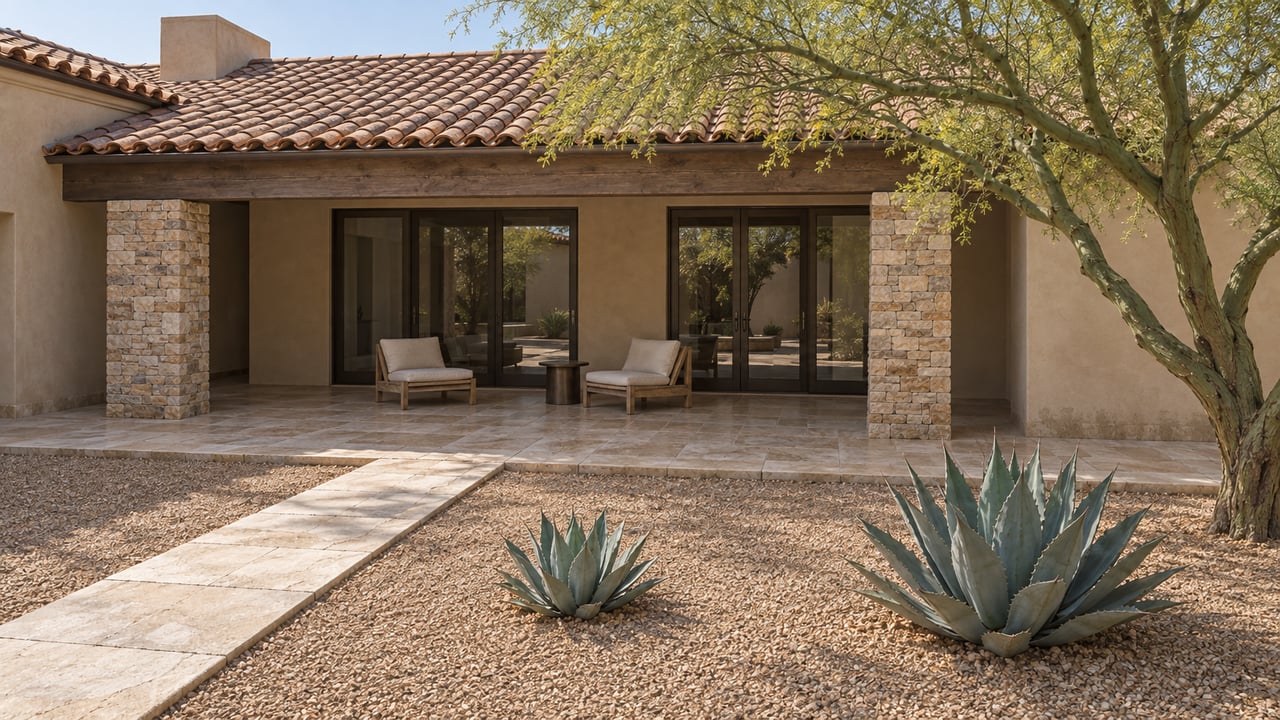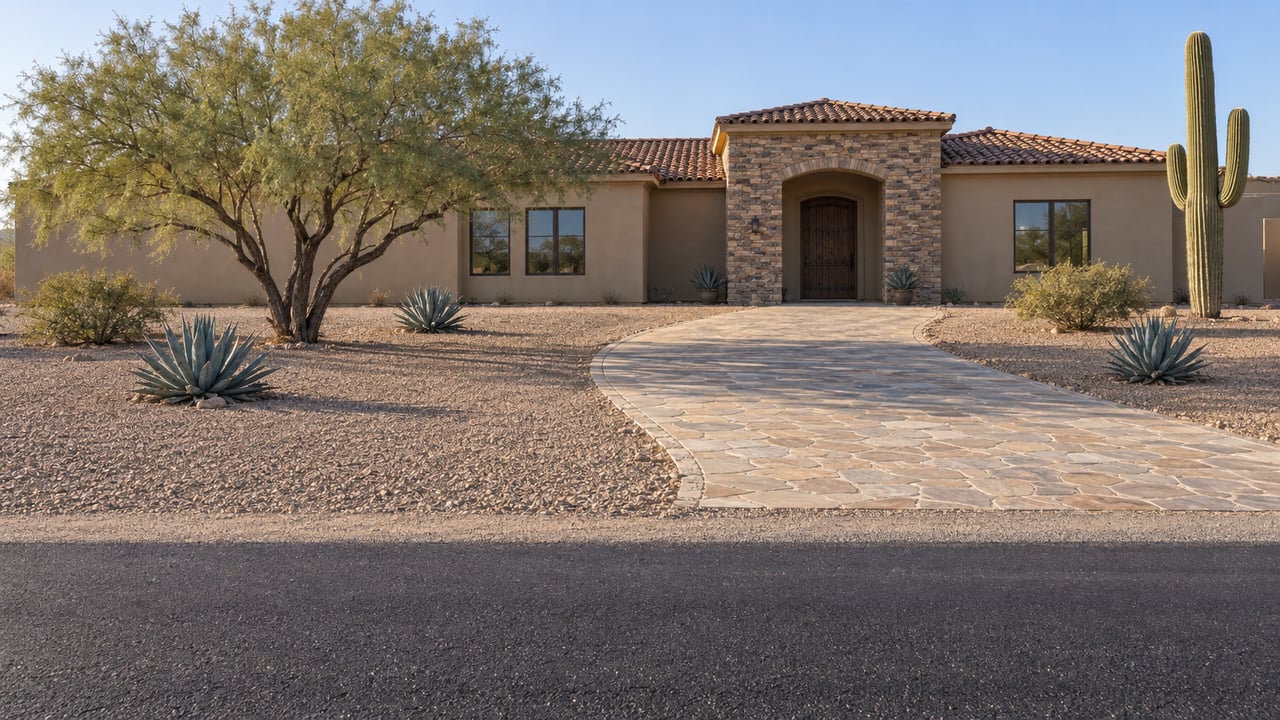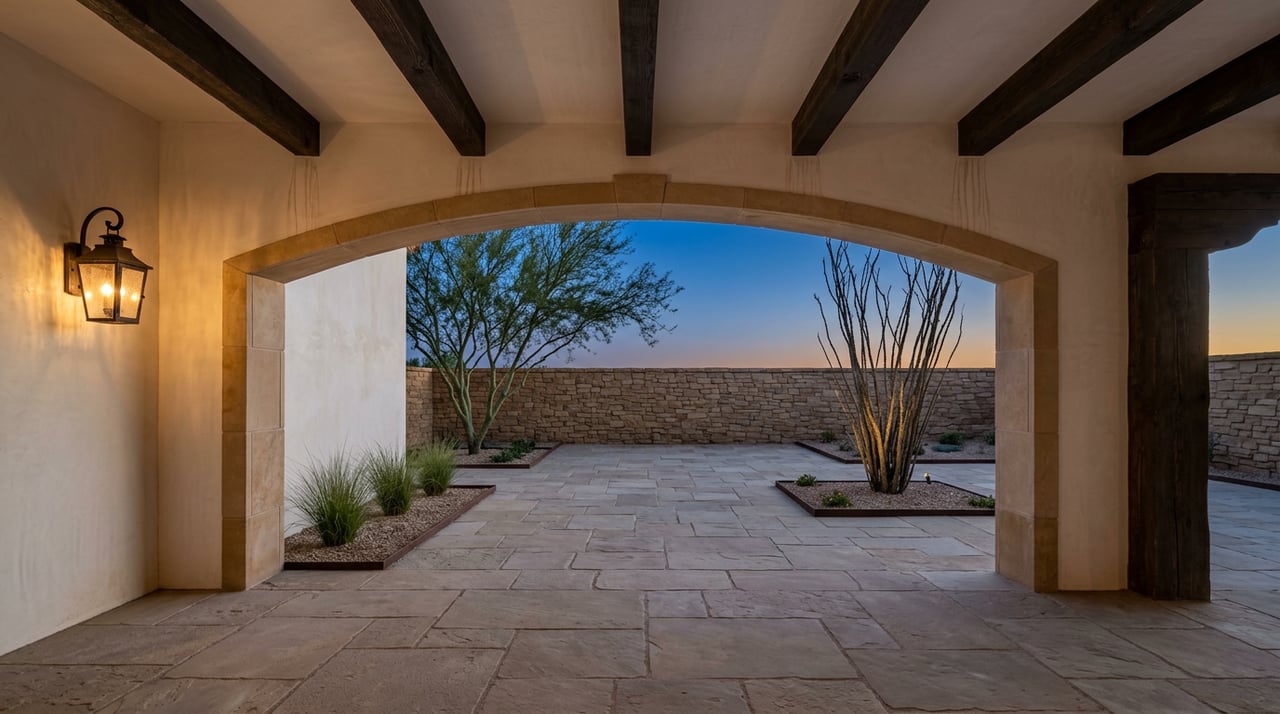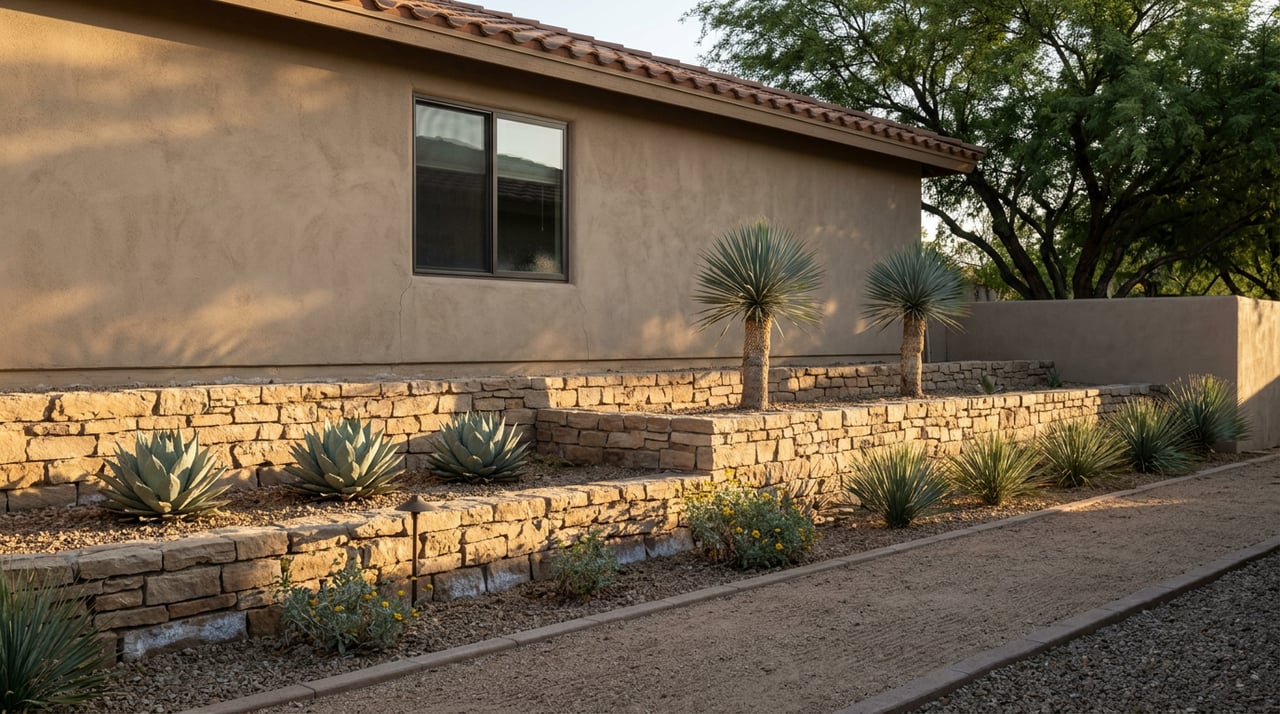
Drive any loop street in Paradise Valley and the homes look interchangeable in ambition: gated, walled, perched for a Camelback or Mummy Mountain view, priced somewhere north of what most of Scottsdale spends on three houses. What isn't visible from the street is that one of those homes ties into a municipal sewer line and the one next to it runs on a private septic tank, permitted decades ago and still doing the work today. Neither is unusual here. Either can add due-diligence steps to a sale timeline.
These utility differences are worth understanding before they affect a transaction. If you are preparing to sell, or are a relocating buyer wondering why your dream lot comes with more paperwork than the listing photos suggest, knowing which system serves the property can help you avoid a deadline problem.
The town has two sewer providers, and plenty of homes have neither
Paradise Valley is served by two separate sewer authorities. Some parcels connect to City of Phoenix Water Services, others fall under a Town of Paradise Valley system that is actually operated and maintained by the City of Scottsdale, and the boundary between the two runs unevenly through town rather than following any street grid a buyer would guess at. On top of that, the town's own utilities page is direct about the third category: a meaningful share of properties are not on sewer at all and rely on private septic systems.
For a seller, that means the first real due-diligence question isn't the school of the finishes or the age of the roof. It's which of three infrastructure categories your specific parcel falls into, and whether your last utility bill or the county's own septic records can confirm it before a buyer's inspector does.
The inspection clock that doesn't care about your closing date
If the home is on septic, the Arizona Department of Real Estate says Arizona law requires a transfer-of-ownership inspection before the sale can close. The University of Arizona Cooperative Extension says a qualified inspector has to produce a Report of Inspection, and that report is only valid for six months. If your escrow drags past that window, whether because of financing delays, a slow appraisal, or a buyer who needs extra time to relocate, the report expires and someone has to pay for a second inspection. The inspection typically includes pumping the tank so the inspector can check the interior for cracks, damaged baffles, and other wear that isn't visible from the surface, which is not a five-minute walkthrough on a home with a larger-capacity tank and an established drain field.
Once the inspection is done, the seller has to give the buyer that report before closing. None of this is exotic. It's the same statewide framework that applies to any septic-served property in the state. What makes it a Paradise Valley-specific issue is how many multi-million-dollar transactions in this town actually touch it, simply because the housing stock skews toward large, older, septic-served lots at a rate that Scottsdale and North Phoenix buyers rarely encounter.
Before you assume your home is one or the other, Maricopa County keeps a public online septic search tool that will tell you whether a permit exists for your parcel, and it's worth checking months before you list, not the week your buyer's inspector asks.
If a Paradise Valley home's septic report is no longer valid, a new inspection, not a phone call to the old inspector, is what the state requires.
The one-acre rule and the quarter-lot cap shape what buyers can actually do
Paradise Valley's lot-size and building-footprint rules shape its low-density pattern. According to Jematell Homes, lots run to a one-acre minimum in much of town, and a building footprint is generally capped around a quarter of the lot, which is why a Paradise Valley estate typically sits on grounds that dwarf comparable homes in Arcadia or Old Town Scottsdale.
That same low-density instinct shows up again on sloped ground. Anything on a hillside parcel goes in front of the town's Hillside Building Committee, a citizen-and-planning-commission panel that reviews grading, height, lighting, and building materials against the town's Hillside Code before a permit is issued, according to the committee's own page. The allowable land disturbance shrinks fast as slope increases, which means the buyer who falls for a dramatic hillside lot with 270-degree views is also buying a longer, more scrutinized permitting process if they plan to build new or expand significantly. It is a real review, not a formality, and it applies before the town will issue a permit at all.
For a seller, this matters at the negotiating table. A buyer who assumes they can simply add a wing or reconfigure a hillside lot the way they might in a less-regulated suburb is going to be surprised by both the floor-area math and the committee timeline. Setting that expectation early, ideally in the listing conversation rather than after inspection, keeps the deal from stalling on a misunderstanding.
Why the timeline actually matters more here than the price tag suggests
As of May 2026, the median sale price in Paradise Valley sat near $5.2 million, with luxury-grade construction on premium hillside lots commanding $1,400 to $2,000 per square foot at the trophy end. Those numbers alone tell you the market is expensive. What they don't tell you is that Paradise Valley closes roughly 40 to 60 single-family homes a month against the 800 to 1,000 that Scottsdale and Phoenix each close in the same window. That is not a market with room for redundant showings or backup buyers waiting in line.
It's also a market where a large share of buyers pay cash, largely to sidestep jumbo loan appraisal risk on properties that don't have a deep pool of recent comparable sales. A cash buyer moving quickly has every incentive to close fast, and a stalled septic report or an unresolved hillside disturbance question is exactly the kind of friction that turns a motivated all-cash buyer into a nervous one. In a thin market, a two-week paperwork delay is a much bigger risk to a deal than it would be in a neighborhood closing a thousand homes a month.
A realistic pre-listing sequence
For sellers who want to get ahead of this rather than react to it during escrow, the order matters:
- Confirm your utility status first. Check a recent bill, then verify against Maricopa County's septic records or the town's sewer provider map before you assume either way.
- If you're on septic, schedule the transfer-of-ownership inspection early enough that it remains valid through your expected closing window, with room for a financing delay.
- If any part of your lot sits on a slope that could trigger Hillside Code review, have that conversation with the town's planning staff before a buyer's due diligence period starts the clock for you.
- Gather any existing permits, past inspection reports, or maintenance records for the septic system so you can hand over documentation rather than promises.
- Price and market the home with these facts stated plainly rather than discovered, since a buyer who feels informed moves faster than one who feels surprised.
Frequently asked questions
Does every Paradise Valley home run on septic? No. The town is split between two municipal sewer providers and a substantial number of private septic systems, and the split doesn't follow an obvious pattern by street or subdivision. The only reliable way to know is to check your utility account or the county's septic records for your specific parcel.
Can hillside disturbance or floor-area work happen after closing instead of before I sell? It can, but that shifts the approval timeline and cost onto the buyer, and it's the kind of open item that sophisticated buyers and their agents will price into an offer. Disclosing what has and hasn't been approved is more useful to a smooth close than leaving it for the buyer to discover.
What happens if a septic Report of Inspection is no longer valid? Plan on a new inspection rather than relying on the original report.
If you're weighing a sale in Paradise Valley, or trying to understand what a specific hillside lot or septic-served estate will actually take to close, Racquel Miller can walk through the paperwork and the timeline with you before it becomes a problem instead of after. Let's Connect.
This article is general information, not legal, tax or financial advice. Consult a qualified professional about your situation.